

Unleashing the Power of Machine Learning & AI for the Retail
The retail sector provides employment to 29 million people directly and supports 42 million indirectly. These pandemic times have brought home how browsing.
Updated
On this page
Key takeaways
- !Diagram: Diagram Original diagram for Techfastly by Vin Patel. The retail sector provides employment to 29 million people directly and supports 42 million indirectly.
- The store uses Deep Learning to analyze store receipts and returns to evaluate purchases at each store.
- IKEA has also use a similar concept where before you buy, you can see how the furniture may look in your home.
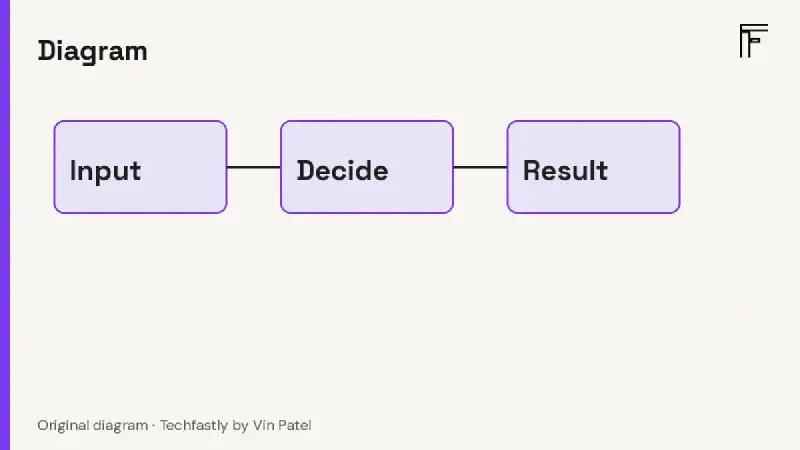
Original diagram for Techfastly by Vin Patel.
The retail sector provides employment to 29 million people directly and supports 42 million indirectly. These pandemic times have brought home how browsing the grocery aisles is part of our normal life that has been disrupted.
Organized retail touches several aspects of industry. From real estate operations to merchandising, to shipping & logistics, to customer loyalty programs to old school flyer programs to shopping list apes, the list goes on and on.
The grocery industry which is a significant chunk of the organized retail sector has a slim profit margin of 2.2%.Time has not been kind to this sector. In the UK, over a 10 year period, margins have halved, falling from 8.8% to 4.1%.
The industry has to look for efficiencies like never before.
Whether a retailer is an old school brick and mortar store or an online only store, from an infrastructure standpoint, there is a large overlap between the two:
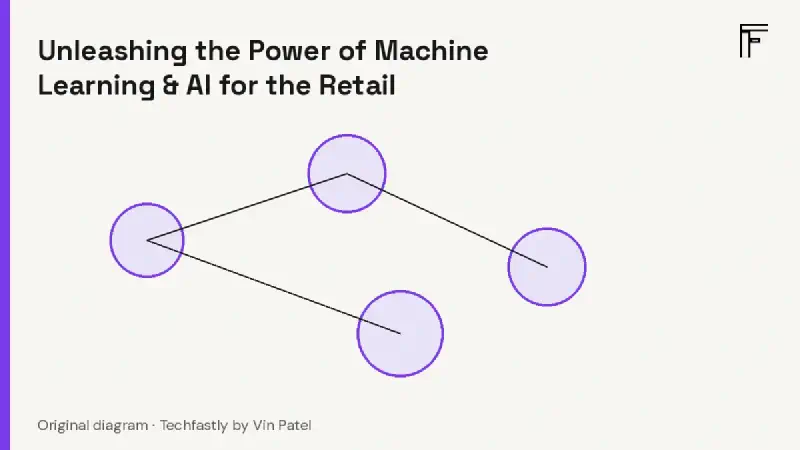
Original diagram for Techfastly by Vin Patel.
The onset of Machine Learning and Artificial Intelligence has made waves at both kinds of retailers.
Here is a quick review of how some retailers are using technology to shave off costs.
Automation & Warehousing: #
Kroger, a leading grocer in the US has been partnering with a robotics company from the UK to automate a few warehouses to speed up picking of items from its warehouses. Speed is a major consideration for the online ordering segment and continues to push the industry to focus on the use or robots.
Walmart has been experimenting with similar robots named Alphabets in partnership with a different vendor. Produce and other fresh items continue to be picked by hand. Alphabets enable real time data sharing and over time this will help better stacking in the warehouses as patterns in items that are frequently ordered together will begin to surface.
Facial recognition & Loyalty Management #
Finally, retailers are no longer content to identify us via swipe of a loyalty card at the point of sale. They want to identify us as soon as we enter the store. The iPhone X has helped to normalize facial recognition and using this technology retailers aim to provide a customized experience. By using facial recognition systems retail staff will know what type of products you buy and what your average spend is, so they can give more love to higher spenders. They’ll be able to use software that reads emotion to identify when you are frustrated and notify staff to respond.
Kroger App & In-Store Recommendations #
Grocery chain Kroger, in collaboration with Microsoft, is testing out the idea of smart shelves. When a customer walks down an aisle and has their Kroger app open, sensors identify the shopper and highlight products they might be interested in. The app might highlight gluten-free products for a gluten-free shopper or kid-friendly snacks for a parent. The app can also provide personal pricing and alert shoppers if an item on their shopping list is on sale.
H&M Uses AI to Keep Popular Items Stocked Popular #
Clothing store H&M relies on staying on top of trends to be successful. The store uses Deep Learning to analyze store receipts and returns to evaluate purchases at each store. The algorithm helps the store know what items to promote and stock more of in certain locations. The data could find that floral skirts sell well at urban stores and change the inventory to match what customers want.
Coca Cola has connected a third of its vending machines to the Internet. The company also has its freestyle machines where a customer can combine different combinations of flavors to create their own creation. They have an integration with apes that remind customers when to get hydrated (obviously with a Coke product). Coca Cola also has a mobile wallet which enables customers to use facial id to buy a coke at select kiosks.
Facial Recognition to Reduce shoplifting #
Facial recognition is being used in multiple ways in retail stores. Stores in the UK are using it to detect if purchasers of alcohol meet the legal drinking age.
Stores that have identified shoplifters can share these profiles with other stores too. Shoplifting costs retailers roughly $35.5 billion each year. The initial database can be created by uploading videos of documented shoplifters, organized retail crime associates and disgruntled ex-employees. Of course the Privacy folks may have a field day with this approach.
According to the National Retail Foundation, 10.8% of returns made each year are fraudulent, costing the retail industry $9.6 billion a year. Facial recognition also has the potential to protect retailers from a specific kind of return fraud. By uploading images of customers that suspected of abusing generous product return policies, companies can be alerted when such customers come in or make a purchase.
Facial Recognition and AR used by Sephora #
Sephora, is a leading example of using AR (augmented Reality) to let the consumer experience a product that many first thought was not suitable for online retail. Sephora took their time and only when they were convinced that the technology had achieved a certain level of preciseness, did they opt-in. Over 20,000 products sold by the retailer were added to the program. By 2018, the Sephora Virtual Artist has seen 200 million shades tried on, and over 8.5 million visits to the feature, according to the company.
IKEA has also use a similar concept where before you buy, you can see how the furniture may look in your home.
With so much going on in the retail industry, can any one afford to stand still?
Related reading