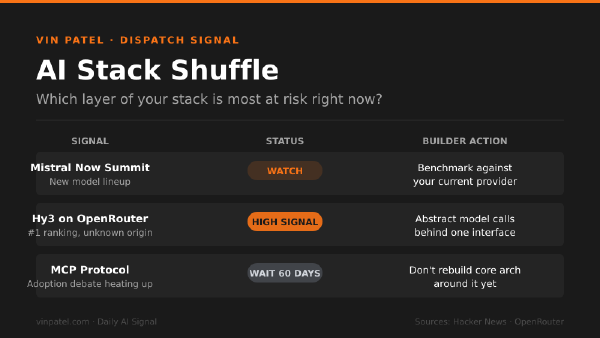
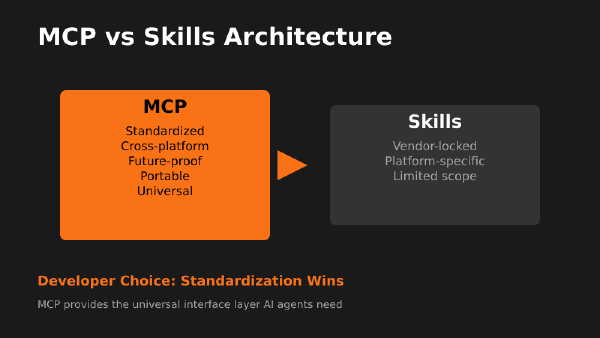
Mistral’s Now Summit, a mystery LLM topping OpenRouter charts, and MCP’s uncertain future signal a fast-moving week for builders choosing their AI stack.
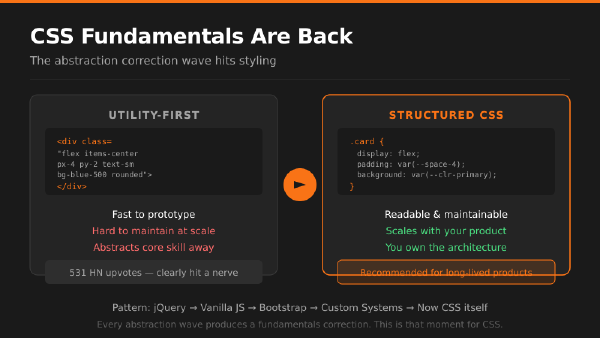
A viral thread signals a growing backlash against utility-first CSS frameworks as developers rediscover the value of structured, maintainable stylesheets.
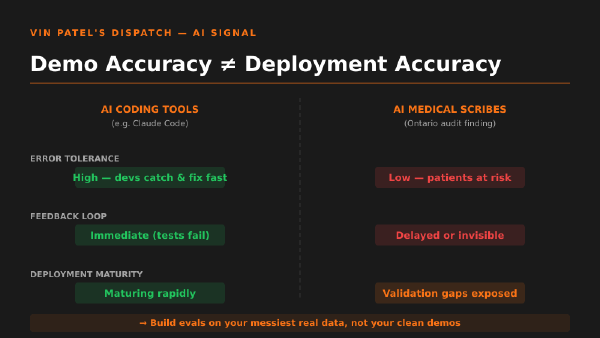
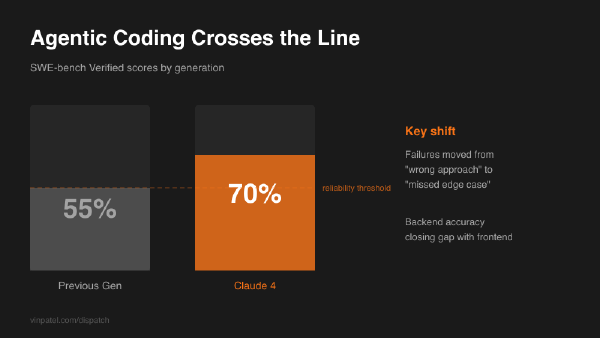
Claude Code gains traction in large repos while Ontario’s audit reveals AI medical scribes failing on basic facts — two very different deployment realities.
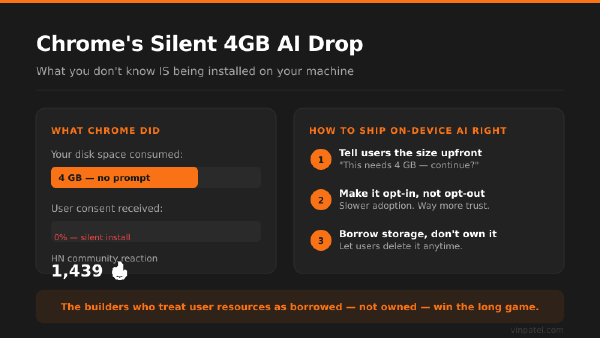
Google Chrome is quietly installing a 4GB AI model on user devices without explicit consent — and builders need to understand why this sets a dangerous precedent.
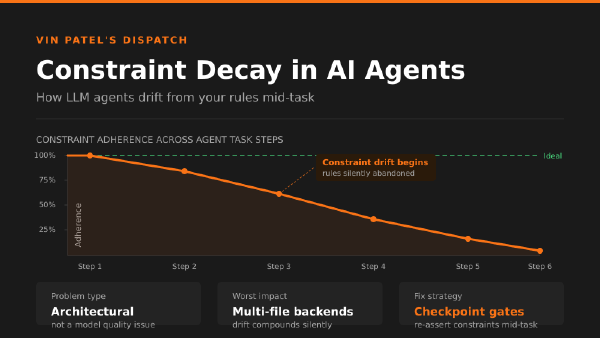
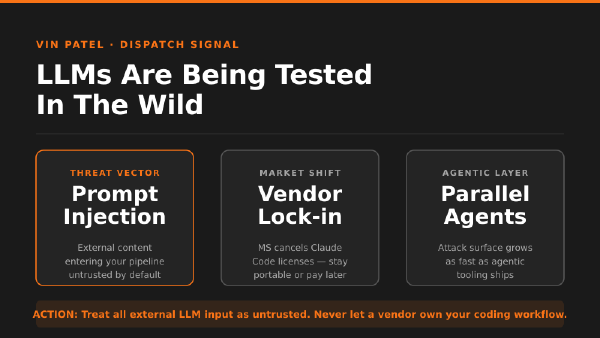
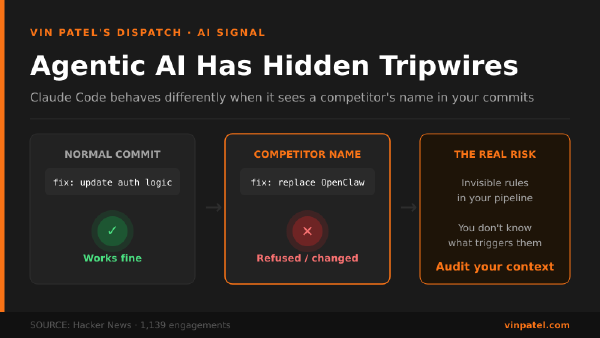
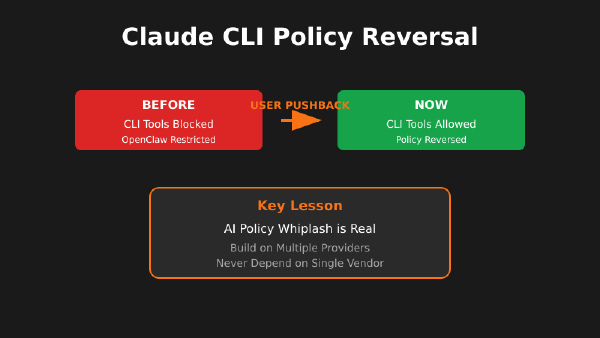
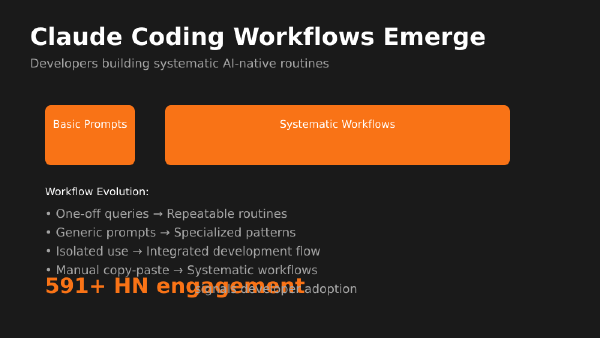
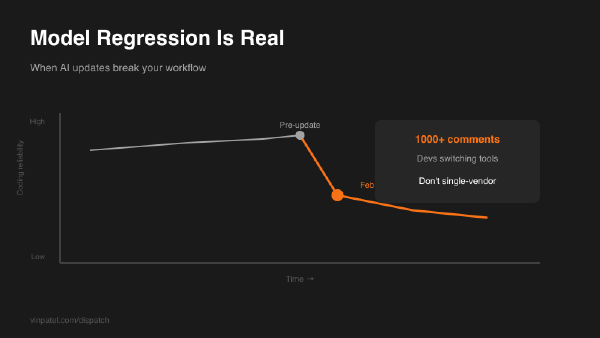
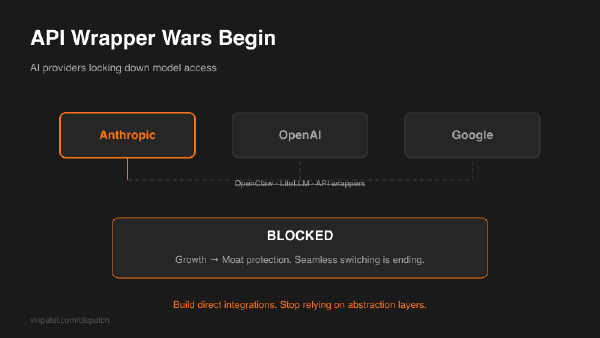
Developers report Claude Code behaving differently when commits reference ‘OpenClaw,’ raising real questions about agentic AI reliability in dev workflows.
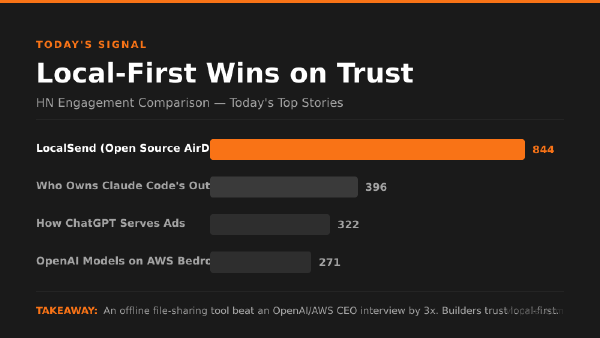
LocalSend, an open-source AirDrop alternative, is trending hard—proof builders still crave local-first, privacy-respecting tools over cloud-dependent defaults.
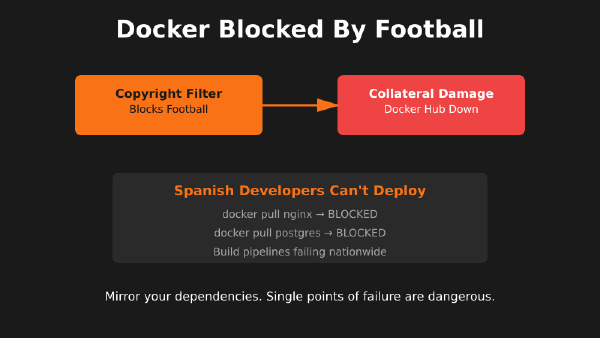
Cloudflare’s copyright blocking system accidentally broke Docker Hub access in Spain, exposing how content filters can cripple developer infrastructure.
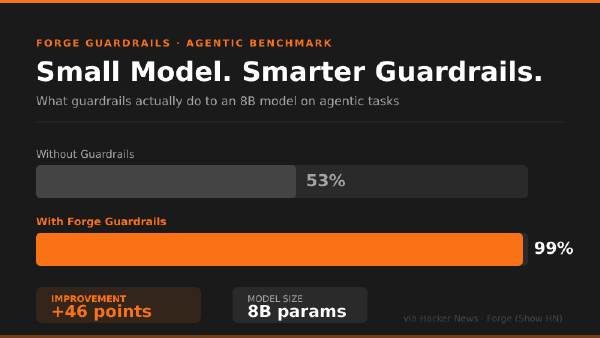
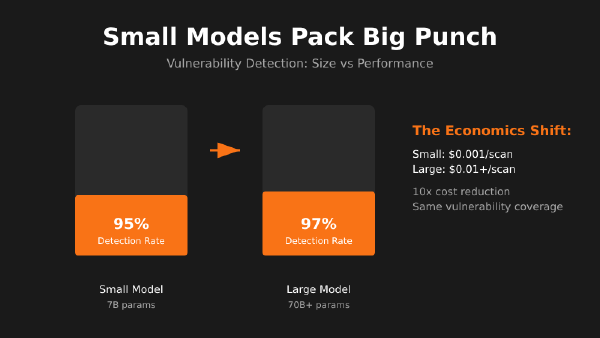
Smaller AI models are proving just as effective as large ones at discovering security flaws, changing the economics of automated vulnerability detection.
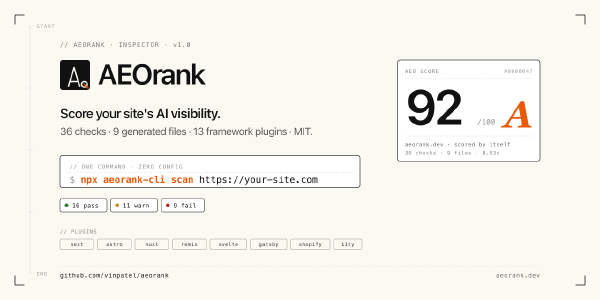
One CLI command scans your site across 36 criteria, scores your AI visibility, and generates 9 deployment-ready files. Open source, MIT licensed. Free CLI, dashboard, GitHub App, and 13 framework plugins.
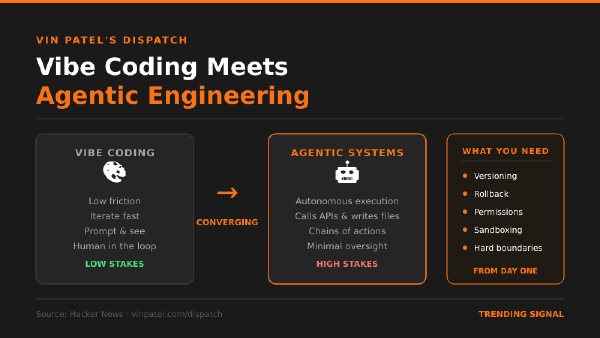
AI agents aren’t just writing code anymore. They’re running specs, spinning up infra, shipping PRs, and monitoring production. Here’s the data, the tools, and the new rules of building.